
This is the third letter to the churches in the Book of Revelation. Like Polycarp in Smyrna, the Pastor of this church was ordained by John the Apostle. As I explained in the introduction of the book of Revelation, I will describe the letter in the context of a first-century church and of Pergamum in the church’s history.
To the Church in Pergamum
Rev 2:12-17  And to the angel of the church in Pergamos write; These things saith he which hath the sharp sword with two edges; 13  I know thy works, and where thou dwellest, even where Satan's seat is: and thou holdest fast my name, and hast not denied my faith, even in those days wherein Antipas was my faithful martyr, who was slain among you, where Satan dwelleth. 14  But I have a few things against thee, because thou hast there them that hold the doctrine of Balaam, who taught Balac to cast a stumblingblock before the children of Israel, to eat things sacrificed unto idols, and to commit fornication. 15  So hast thou also them that hold the doctrine of the Nicolaitans, which thing I hate. 16  Repent; or else I will come unto thee quickly, and will fight against them with the sword of my mouth. 17  He that hath an ear, let him hear what the Spirit saith unto the churches; To him that overcometh will I give to eat of the hidden manna, and will give him a white stone, and in the stone a new name written, which no man knoweth saving he that receiveth it.
Before reading on, I highly recommend you watch this video about the Pergamum church.
The letter
A two-edged sword
In the Pergamum church, there are two kinds of people:
- Faithful believers
- Not-so-faithful believers: people who held the doctrine of Balaam and or the Nicolaitans
Important New Testament verses about the sword are:
Revevelation 1:16 And he had in his right hand seven stars: and out of his mouth went a sharp twoedged sword: and his countenance was as the sun shineth in his strength.
So the people in this church had something to choose from. This is the first letter where Jesus Christ addresses specific people in the church. Blindly following your leaders wouldn’t be a good idea in Pergamum; Jesus Christ wants you to choose Him yourselves.
Where Satan’s seat is
So, at the time of writing, Satan’s seat was in Pergamum. What was the first place of Satan’s seat after the flood of Noah? It was, of course, in Babylon. In those days, it was in Pergamum, and later it moved to other places. Could you still visit something of it in Turkey? No, it has been moved to Berlin: Pergamonmuseum | Home (smb.museum). The movement and position of Satan’s seat is a study of its own, but for now, the people in Pergamum had to deal with it.
Have not denied the faith
Antipas, and who is Antipas? Andrew, who wrote one of the first commentaries on the book of Revelation, mentions that he had read about the martyrdom of Antipas:
Commentary on the Apocalypse: Andrew, Archbishop of Caesarea: Free Download, Borrow, and Streaming: Internet Archive on page 67. Yes, you must make some effort to create a free account, but it is worth the effort!
So there were great Christians in Pergamum, who lived out their faith and stayed faithful until the end.
Doctrinal issues
The Pergamum church taught the doctrines of Balaam and the Nicolaitans. You read that Jesus Christ assigns this letter to the whole church and that some people of the church are identified with these ideas.
In Numbers chapters 22 to 25, you can read the story of Balaam. In the end, he caused the people of Israel to commit fornication and to worship other Gods. As you know, there were many other gods to worship in Pergamum, so that also happened there.
The doctrine of the Nicolaitans. As we can read in the letter to Ephesus, it is about ruling over people and not 100% living for Christ.
The overcomers
The manna is a reference to the manna that the Israelites ate while they were in the desert with Moses, but what would hidden manna be? It would mean the bread from heaven, Jesus Christ himself.
John 6:35 And Jesus said unto them, I am the bread of life: he that cometh to me shall never hunger; and he that believeth on me shall never thirst.
And the white stone? Dr Joseph said in the video that white stones were used in ancient times as entry tickets for a party. So in this case, it would be an entry ticket to be with God for eternity.
The letter of Pergamum in the church’s historical view
When Constantine became emperor, he made Christianity the state religion. Persecution was over. Until this time if you were a Christian, you knew when the next Roman emperor would come to power, it could cost you your life. Now it was good and cool to be a Christian, so many more people wanted to become Christians.
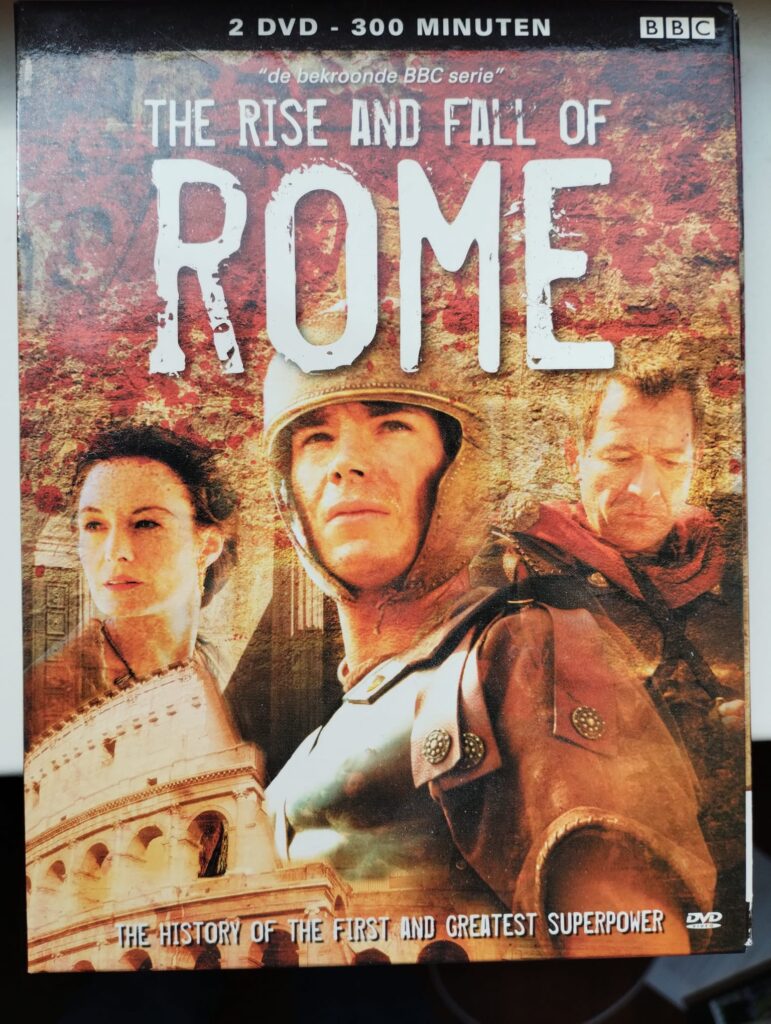
The Pergamum church period began in AD 312, when persecution was over. Constantine started his conquest to become emperor. A nice movie (BBC) about this conquest is Ancient Rome: The Rise and Fall of an Empire (2006) | Watch Free Documentaries Online (watchdocumentaries.com). In AD 606, Pope Boniface III was crowned as the first Universal Pope. This is the end of the Pergamum church period.
Even in the first few centuries, the church had to fight against heretics and strange teachings, but they kept them outside of the church. This was game over, as we can read in the letter. The strange teachings could easily enter the church.
A two-edged sword
A heresy that became famous after the Roman persecutions was Arianism. It was treated with the word of God at the first great council of the church at Nicaea in 325 AD. There, they defined the Nicene Creed, which is still in use in the churches today. The purpose of a creed is to provide a doctrinal statement of correct belief among Christians amid controversy, and that was quite necessary. Athanasius of Alexandria was a hero of faith fighting against Arianism. He didn’t have an easy life.
In this first Council, many Christians were gathered together, while in subsequent councils, only the church leaders were present. What you see happening is that it is not the church as a whole that makes the decision, but the church leaders make decisions over the people: the supremacy of the clergy over the laity.
Where Satan’s seat is
Satan’s seat was in Pergamum. I will write another page on the places of Satan’s seat.
Have not denied the faith
Though the church form changed quite a bit, even this time, many faithful believers didn’t follow strange teachings and spread the gospel over the earth.
Doctrinal issues
Jesus Christ is pointing out the issues in the church.
Revelation 2:14-15 But I have a few things against thee, because thou hast there them that hold the doctrine of Balaam, who taught Balac to cast a stumblingblock before the children of Israel, to eat things sacrificed unto idols, and to commit fornication. 15 So hast thou also them that hold the doctrine of the Nicolaitans, which thing I hate.
There were people in the church who held different beliefs, and there was the doctrine of the Nicolaitans: people were subdued by their leaders. Let’s see what happened in this period.
The church leader at the beginning of the 4th century was Miltiades. Constantine involved himself with church matters. When Sylvester was leading the church, he built many great churches. Due to these magnificent buildings, many people flocked to the church, hungry for power and other beliefs than Christianity. If you willingly accept people in your church who didn’t repent of their sins, many pagan practices entered the church in the 4th and 5th centuries.
Timeline of Roman Catholicism (eaec.org)
Could we “blame” Constantine for this? It’s good that we don’t have to judge Constantine, as he did many things for good reasons, but they didn’t work out as well as he would have expected. He surely didn’t understand the topic of free will, as if you were not a Christian, you surely had a more difficult time in the empire. Do read Constantine the Great and Christianity.
The overcomers
One of the important events that happened at the start of this time frame is, of course, the fight against Arianism and the Council of Nicaea in 325 AD.
You can read about it in this great book:
On pages 44-46, you can read about it. It is a very great book to read, as it has the same viewpoint as this website, that the 7 churches are also the 7 church periods.
At the end of the Council of Nicea, they needed to vote. The Romans voted by giving everyone a white and a black stone and casting them into a drum. The white stones prevailed over the black stones. This stopped the Arian heresy, and due to the Nicene creed, it is clear what Christians believe.